OEM & ODM
How to Source Custom 925 Sterling Silver Jewelry with Moissanite or Lab-Grown Diamonds
Learn how to source custom 925 sterling silver jewelry from moissanite and lab-grown diamond jewelry manufacturers, from specifications to quality control.
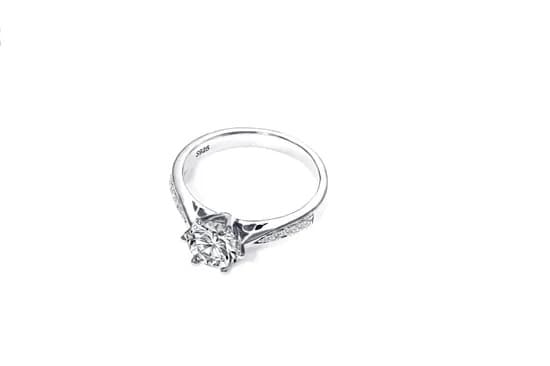
Jewelry brands sourcing custom 925 sterling silver jewelry often begin with a reference image and a general question: can this design be made with moissanite or lab-grown diamonds?
That is enough to start a discussion, but not enough for an accurate quotation or production plan. The buyer and manufacturing partner still need to confirm the gemstone, dimensions, silver structure, plating, quantity, branding, packaging, and quality requirements.
This guide explains what to prepare before asking a moissanite jewelry manufacturer or lab-grown diamond jewelry manufacturer to develop a sterling silver collection.
Quick answer
For a useful custom jewelry quotation, send one brief containing:
- A reference image, sketch, or original design
- Product dimensions and size requirements
- Moissanite or lab-grown diamond specifications
- 925 sterling silver construction requirements
- Plating color and surface finish
- Sample quantity
- Estimated production quantity or range
- Logo and packaging requirements
- Destination country
- Expected project schedule
Clear specifications make it easier to review feasibility, CAD development, sampling, and pricing. If you are still evaluating suppliers, use this 925 sterling silver jewelry manufacturer checklist to compare their process using the same brief.
Step 1: Define the product and commercial brief
A reference photograph rarely provides an accurate scale or complete construction details. Start by defining the product type, intended customer, target market, and approximate retail position. Then list the details that affect the design.
Depending on the product, confirm:
Rings
- Ring size
- Band width and thickness
- Center-stone dimensions
- Setting height
- Comfort and profile requirements
Earrings
- Overall dimensions
- Post length and thickness
- Earring weight target
- Backing type
- Matching requirements for pairs
Necklaces and pendants
- Pendant length and width
- Chain length and type
- Bail dimensions
- Clasp type
Bracelets
- Inner circumference
- Product width
- Stone size and layout
- Clasp structure
- Safety mechanism, when required
Changing these dimensions can affect silver weight, stone quantity, structure, comfort, and final price.
Step 2: Choose moissanite or lab-grown diamonds accurately
Moissanite and lab-grown diamonds are different materials and should not be described interchangeably. The appropriate choice depends on the brand position, design, documentation requirements, and budget.
Moissanite may be considered when a collection needs noticeable brilliance, several calibrated shapes or sizes, larger center stones, or a more accessible target price. Lab-grown diamonds may be considered when diamond identity is central to the product description or the buyer requires project-specific diamond documentation.
If the collection decision also includes cubic zirconia, review Moissanite vs Cubic Zirconia before confirming the stone brief.
Before quotation, state exactly which material will be used and avoid asking the manufacturer to infer it from a photograph.
Step 3: Confirm the gemstone specifications
Stone specifications affect CAD dimensions, setting structure, sourcing, matching, and quotation. For each gemstone, provide:
- Material
- Shape and cutting style
- Length, width, and depth in millimeters when available
- Color or appearance preference
- Project-specific quality requirement
- Quantity per product
- Center-stone or accent-stone use
- Matching requirements for pairs or sets
- Documentation or certification requirements, when applicable
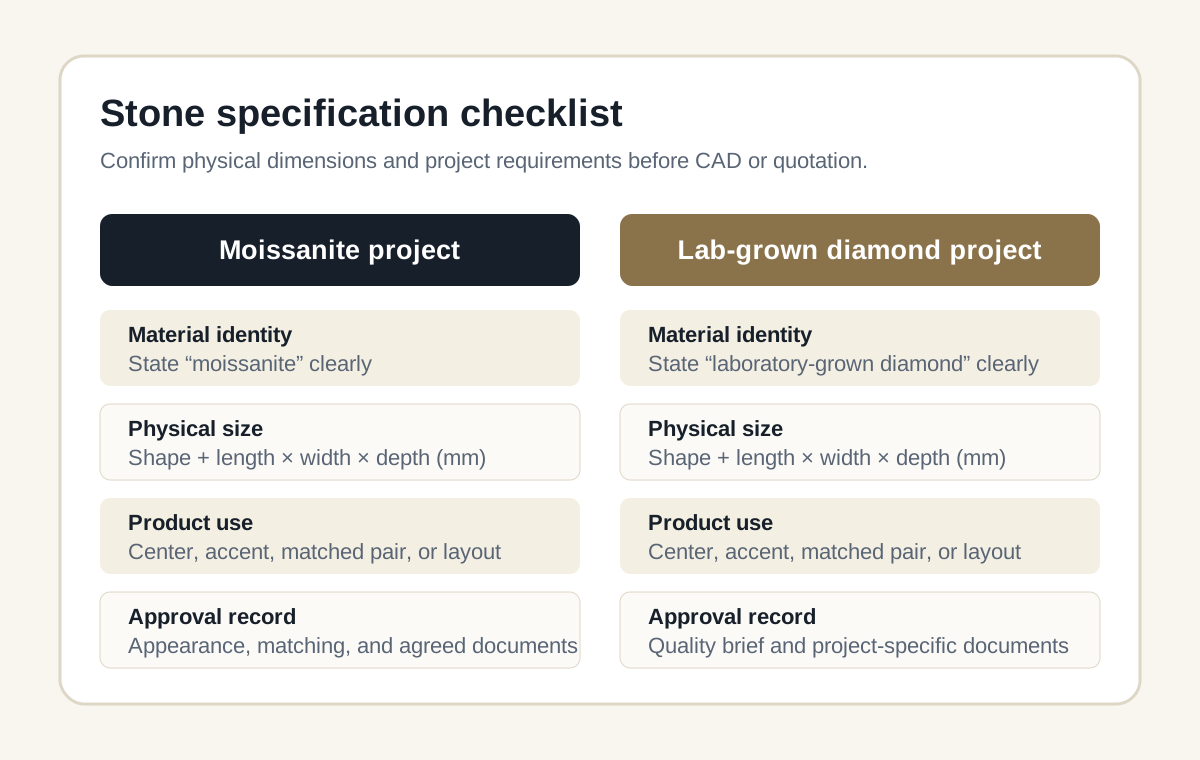
For example:
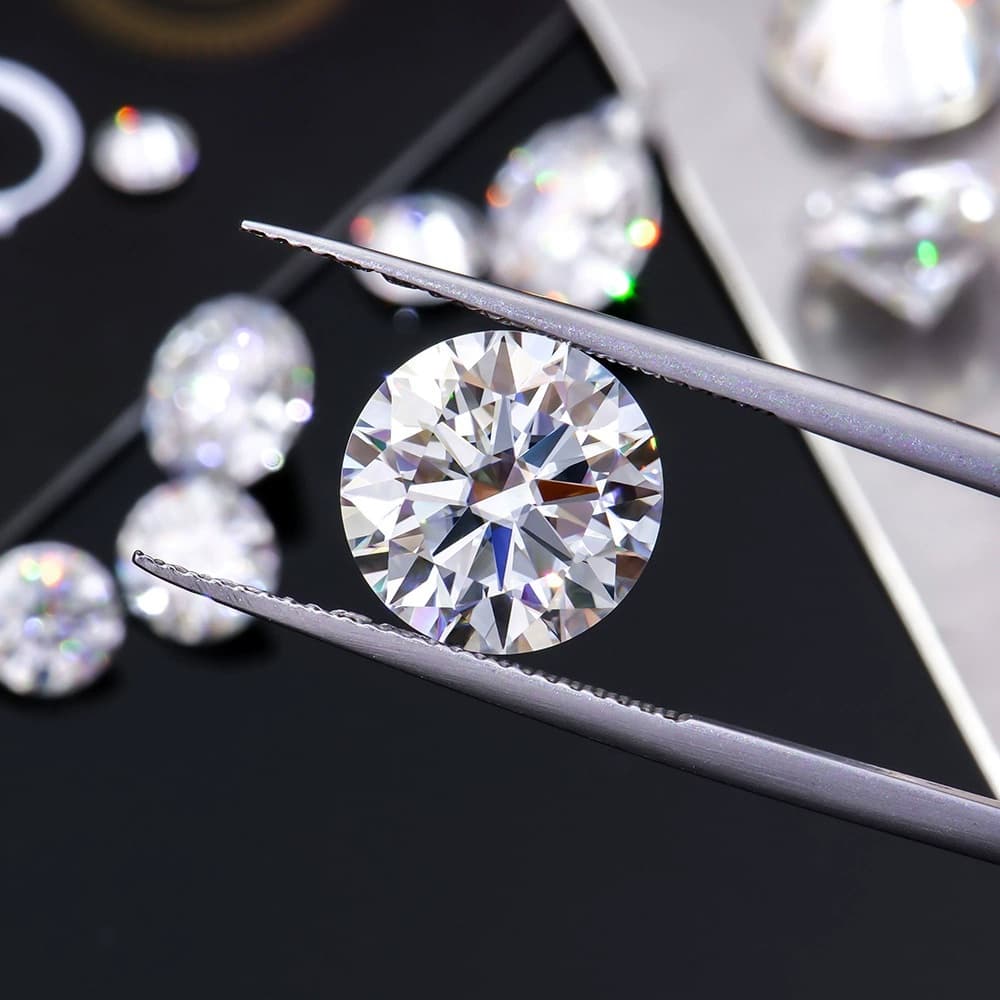
Oval moissanite, 8 × 6 mm, one center stone, near-colorless appearance.
Or:
Round lab-grown diamonds, 2.0 mm, 24 stones per ring, matched within the approved product specification.
Millimeter dimensions are important because CAD models and settings are built around the physical stone size. A carat description alone may not provide enough structural information.
Step 4: Confirm the 925 sterling silver structure
The metal brief should cover more than the phrase “925 sterling silver.” Confirm:
- Solid or hollow construction
- Expected silver weight or weight range
- Product thickness
- Setting and support structure
- Wearing comfort
- Required plating
- Target appearance and retail position
A lighter structure may reduce material use, but it must still support the stones and intended wear. A heavier design may feel more substantial while increasing material cost or affecting comfort. The appropriate structure should be reviewed for each design rather than applied as a universal rule.
Step 5: Select plating and finishing
Common project requirements may include:
- White-tone rhodium plating
- Yellow-gold-tone plating
- Rose-gold-tone plating
- High-polish finishing
- Matte or brushed finishing
- Textured details
- Project-appropriate anti-tarnish treatment
Color names alone may not be precise enough. When plating color is important, provide an approved reference sample, color image, or existing product for comparison. Also confirm whether different plating colors will be treated as separate SKUs.
Step 6: Review CAD and dimensions
CAD development converts the approved visual direction into a proposed manufacturable structure. The review should cover:
- Overall dimensions
- Stone placement
- Prong shape and thickness
- Setting height
- Metal thickness
- Logo position
- Product connections
- Clasp, bail, or post structure
- Areas requiring polishing or plating
- Wearing comfort
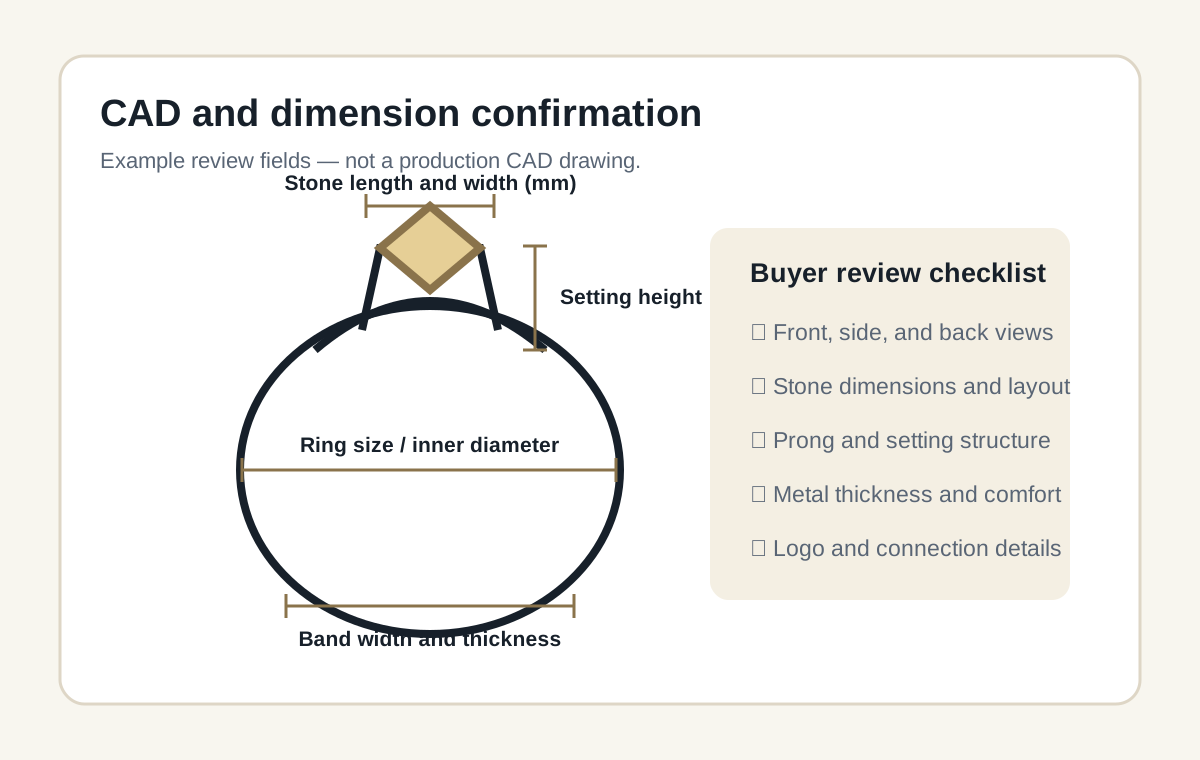
Review front, side, back, and perspective views. CAD approval confirms the proposed design structure, but it does not replace inspection of a physical sample. For a broader development workflow, see How to Develop a Custom Moissanite and 925 Sterling Silver Jewelry Collection.
Step 7: Produce and inspect a sample
A physical sample allows the buyer to review details that cannot be fully evaluated from a rendering.
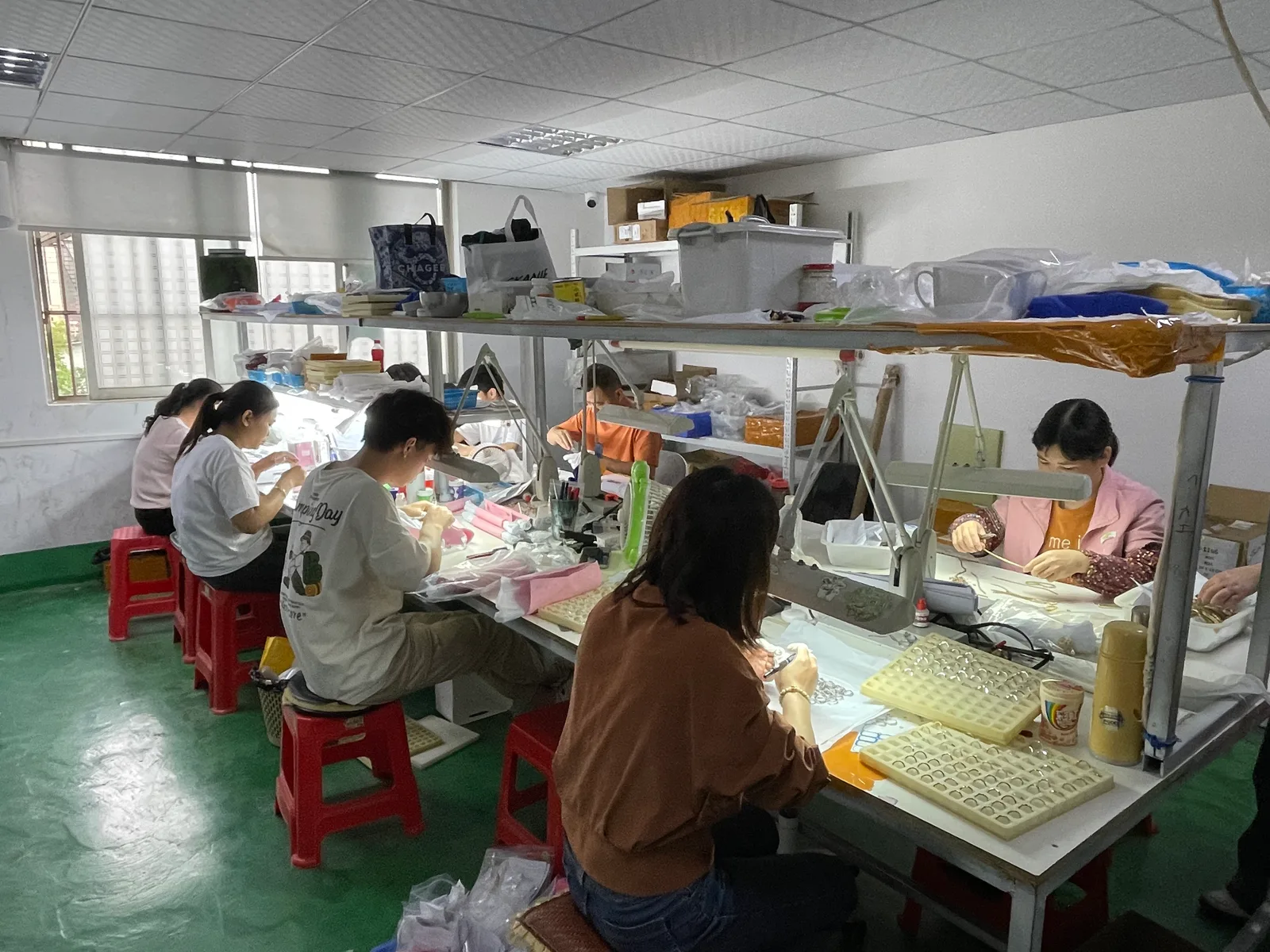
Check:
- Product dimensions and fit
- Approximate finished weight
- Stone shape, size, and appearance
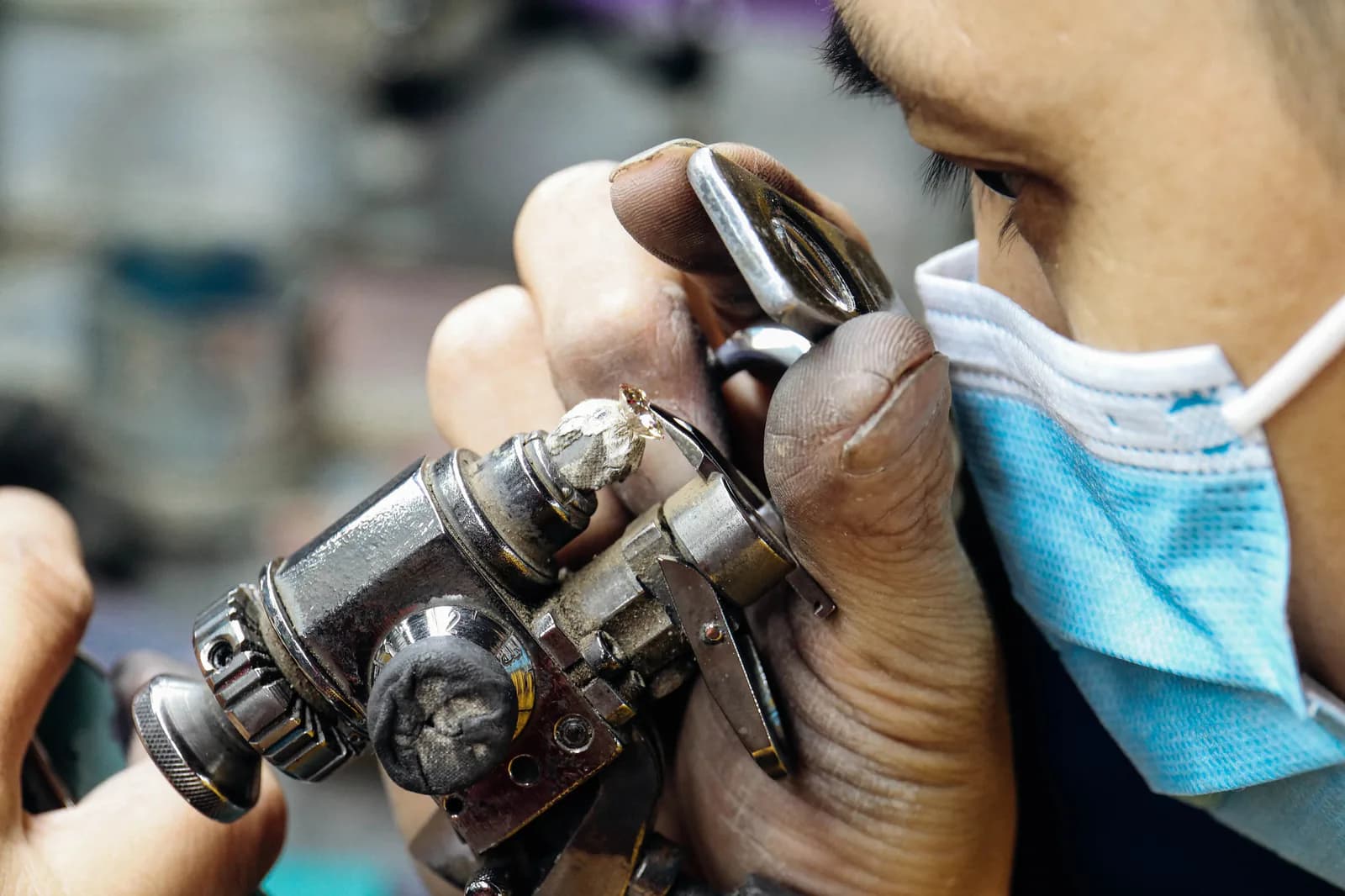
- Stone alignment and setting security
- Prong finishing
- Surface polishing
- Plating color and consistency
- Logo placement
- Clasp or post function
- Wearing comfort
- Packaging fit
Revision feedback should be measurable. Instead of writing “Please improve the ring,” mark the relevant area and state the required change, such as reducing the center setting height while maintaining sufficient stone security.
Step 8: Compare sample and production pricing
A custom sample may require design review, CAD development, small-quantity material sourcing, production setup, stone setting, polishing, plating, inspection, and revisions. Some of these are development costs connected to one design, so the sample price per piece may differ from the later production price.
When requesting a quotation, provide both:
- Required sample quantity
- Estimated production quantity or range
A practical request might ask for one sample and estimated unit prices at several quantity ranges. MOQ and pricing should still be reviewed according to the actual design, stones, process, plating, and packaging. Do not assume that one fixed MOQ applies to every custom design.
Step 9: Confirm logo and private-label requirements
Discuss branding before production. Confirm:
- Logo artwork and file format
- Engraving or marking method
- Logo position and minimum readable dimensions
- Jewelry cards, pouches, or boxes
- Labels and barcodes
- Care instructions
- Outer-carton requirements
Packaging should be tested with the actual product whenever possible. Chains, earrings, and rings may require different inserts or fixing methods to limit movement during transportation.
Step 10: Approve a quality-control checklist
Quality requirements should refer to the approved CAD, sample, and written specifications rather than broad phrases such as “high quality.”
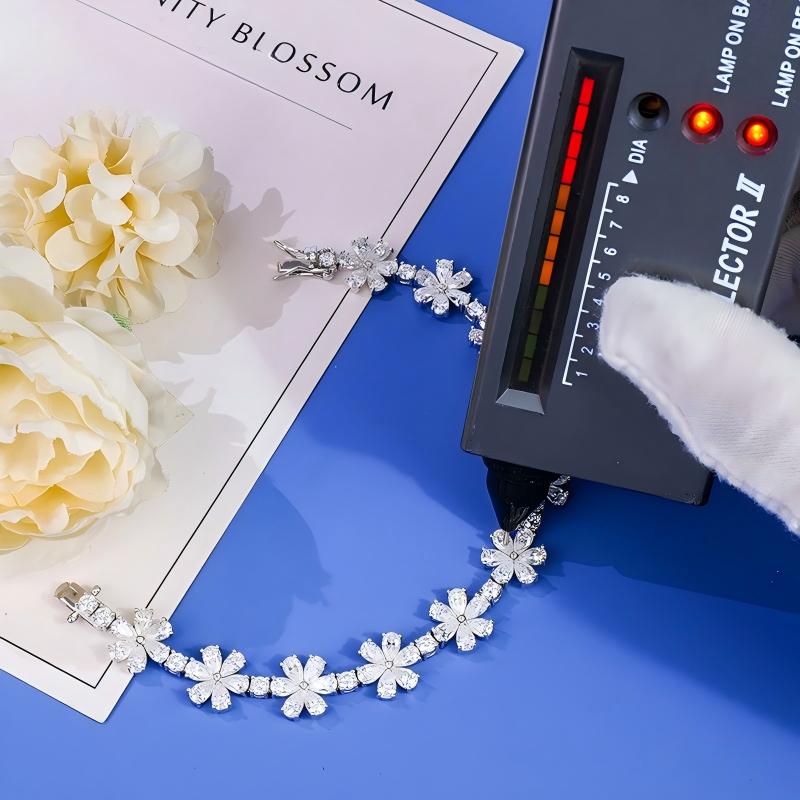
A project checklist may include:
- Correct product dimensions
- Correct stone specifications
- Secure and aligned settings
- Matching pairs or sets
- Smooth polishing
- Consistent plating
- Correct logo placement
- Functional clasps, posts, and connections
- Correct quantity
- Correct packaging
Clear inspection points help the buyer and manufacturer evaluate the same approved standard.
Quote request checklist
Before contacting a manufacturer, prepare:
- Company or brand name
- Destination country
- Product reference or design file
- Product dimensions
- Ring size, chain length, or bracelet circumference
- 925 sterling silver requirement
- Solid or hollow preference
- Moissanite or lab-grown diamond specification
- Plating color and finish
- Sample quantity
- Estimated production quantity or range
- Logo requirement
- Packaging requirement
- Expected project date
- Target price range, if available
If some details are undecided, identify them as open questions. The manufacturing partner can then explain which specifications must be confirmed before CAD, sampling, or quotation.
Frequently asked questions
Can moissanite and lab-grown diamonds both be set in 925 sterling silver?
Both materials can be reviewed for suitable 925 sterling silver jewelry designs. The stone dimensions, setting structure, metal thickness, and intended wear should be confirmed for the individual product.
Can an existing reference design be customized?
A reference image can explain the design direction. Dimensions, gemstone specifications, structure, and original details should then be reviewed before development. Avoid requesting a direct copy of another brand’s protected design.
Is one sample possible?
Sample feasibility depends on the design, gemstone, CAD requirements, production process, and development cost. It should be reviewed for each project.
What determines the MOQ?
MOQ may depend on the product structure, stone sourcing, plating, packaging, and production setup. There is no single MOQ that applies to every custom design.
How long does custom jewelry development take?
The schedule depends on design complexity, CAD revisions, stone availability, sample approval, order quantity, and packaging. Confirm a project-specific schedule before placing an order.
Prepare the inquiry
Successful custom 925 sterling silver jewelry development requires clear decisions about the stone material, dimensions, silver structure, plating, quantity, branding, and quality requirements. A complete specification reduces assumptions during quotation, CAD development, sampling, and repeat orders.
To discuss a project, send your references, required sizes, moissanite or lab-grown diamond specifications, sample quantity, estimated production range, branding requirements, destination country, and expected timing.