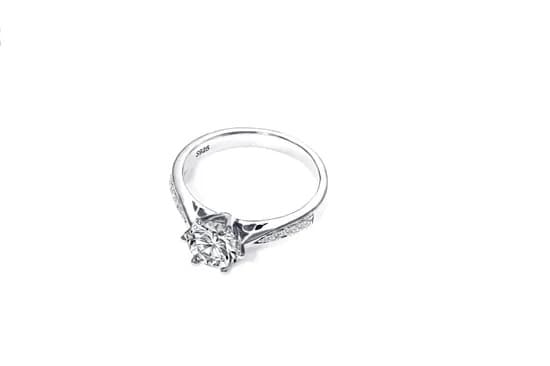
925 Sterling Silver
How to Choose a 925 Sterling Silver Jewelry Manufacturer
A practical checklist for evaluating a 925 sterling silver jewelry manufacturing partner for custom designs, sampling, plating, quality review, packaging, and repeat orders.
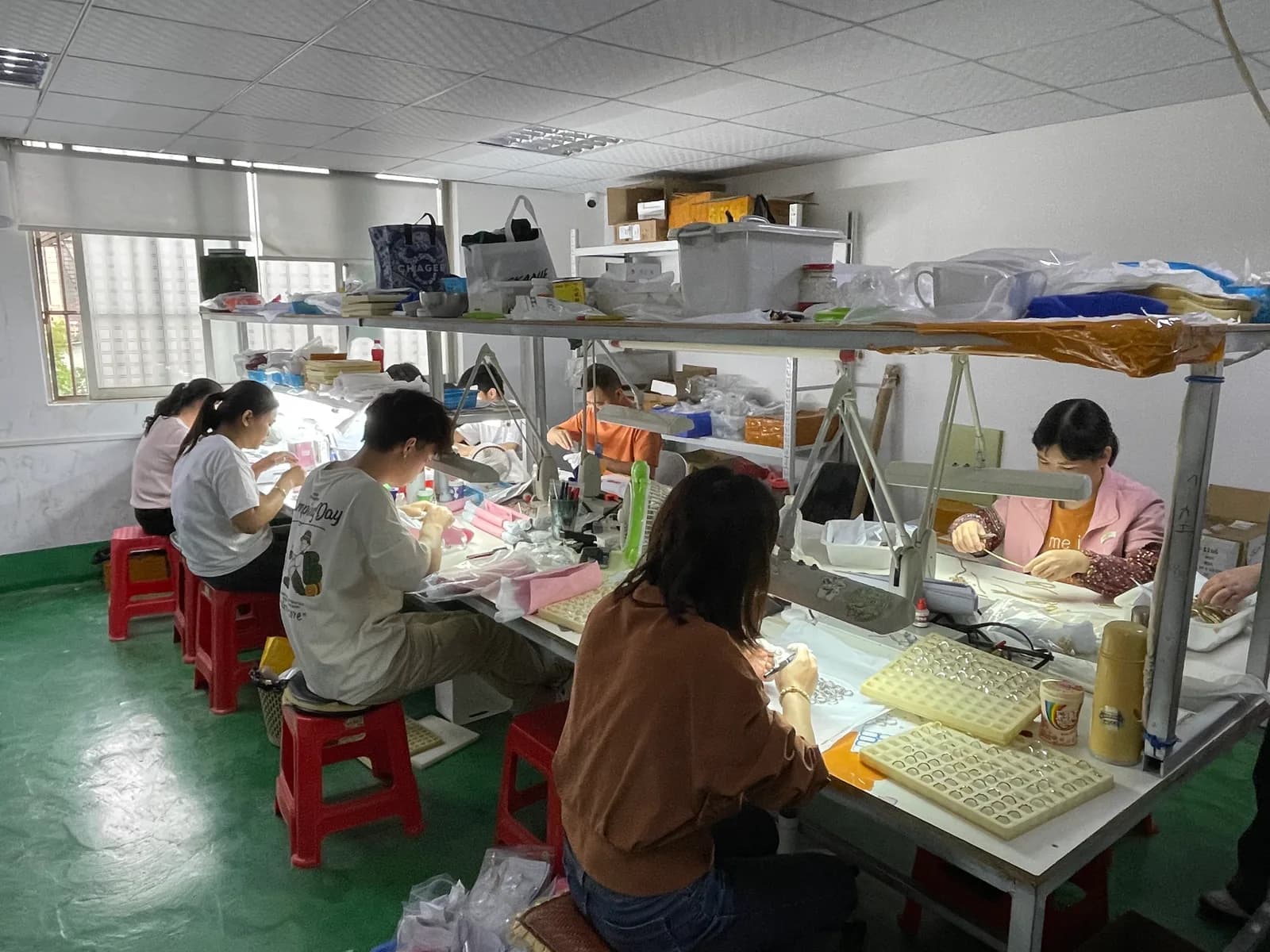
Choosing a 925 sterling silver jewelry manufacturer is not only a price comparison. For a brand, wholesaler, retailer, designer, or online seller, the working process must also support clear specifications, sample approval, finish consistency, packaging requirements, and repeat-order communication.
The following checklist can help buyers structure an initial supplier review without relying on unsupported promises.
Define what the project requires
Prepare a concise brief before contacting potential partners. It can include:
- product type and reference images
- original design, modification request, or existing specification
- sterling silver requirement
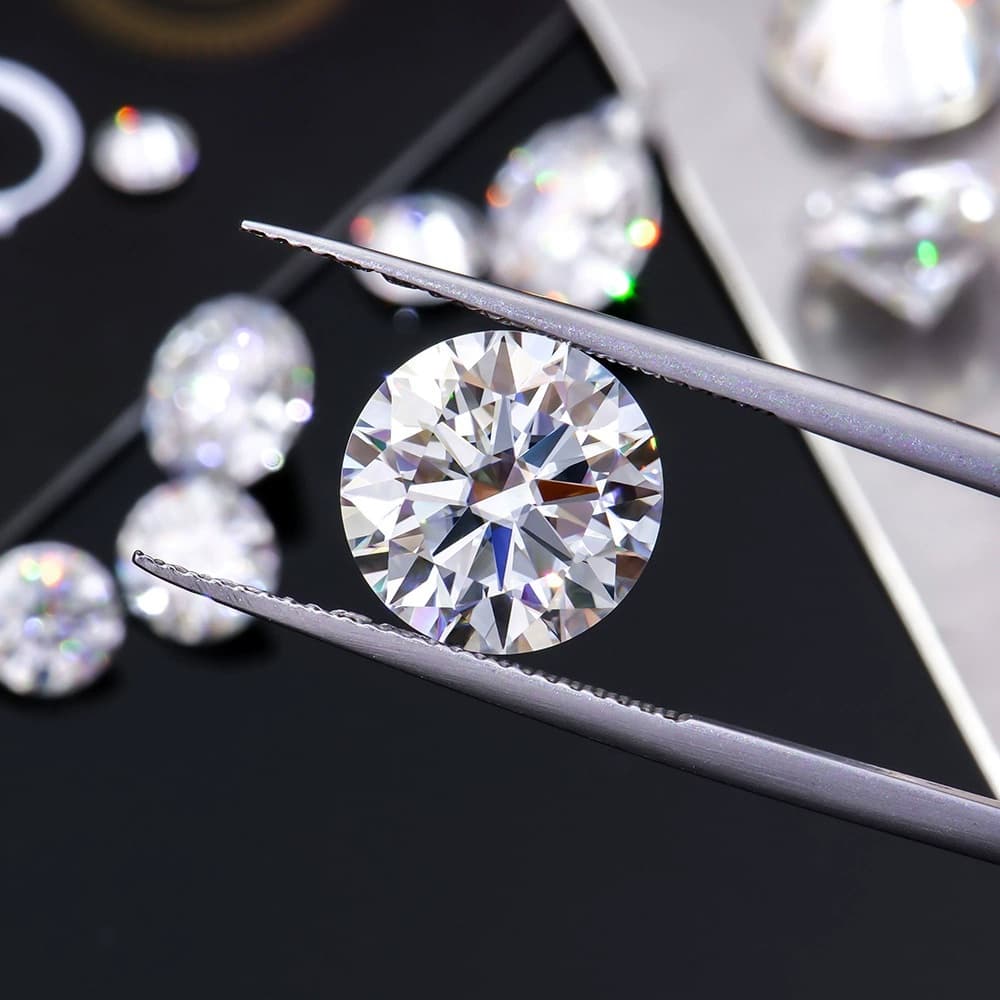
- stone type, shape, color, and size
- plating color and finish
- target quantity or range
- target market
- packaging requirements
- destination country
- expected timing
If some details are undecided, label them clearly. A useful manufacturer should be able to identify which choices must be confirmed before sampling or quotation.
Ask how specifications are recorded
Custom jewelry projects can involve many connected details. Buyers should understand how the supplier records:
- dimensions and tolerances
- stone specifications
- metal and plating requirements
- logo or private-label details
- surface finish
- clasp, post, chain, or other components
- packaging
For a new design, ask whether CAD or another technical review is appropriate before sampling. The purpose is to align the design intent with a manufacturable specification, not to assume that every reference image can be reproduced without adjustment.
Review the sample process
Sampling is the point where the buyer can evaluate the complete product direction. Confirm what the sample quotation includes, which specifications will be reviewed, and how revisions are handled.
A sample review may consider:
- overall proportions
- stone setting
- dimensions and fit
- surface finish
- plating color
- logo placement
- components and closures
- packaging presentation
Sample scope, cost, and expected timing should be confirmed for the specific project. Avoid treating one previous order or one product category as a fixed rule for every design.
Discuss project-based minimum order requirements
Minimum order requirements can vary with product construction, material, stones, process, and packaging. A buyer should provide a target quantity or range and ask the supplier to review it against the proposed specification.
This discussion is more useful than assuming a universal minimum. It also helps identify whether sampling, a trial project, or a broader production plan is the appropriate next step.
Evaluate finish and quality coordination
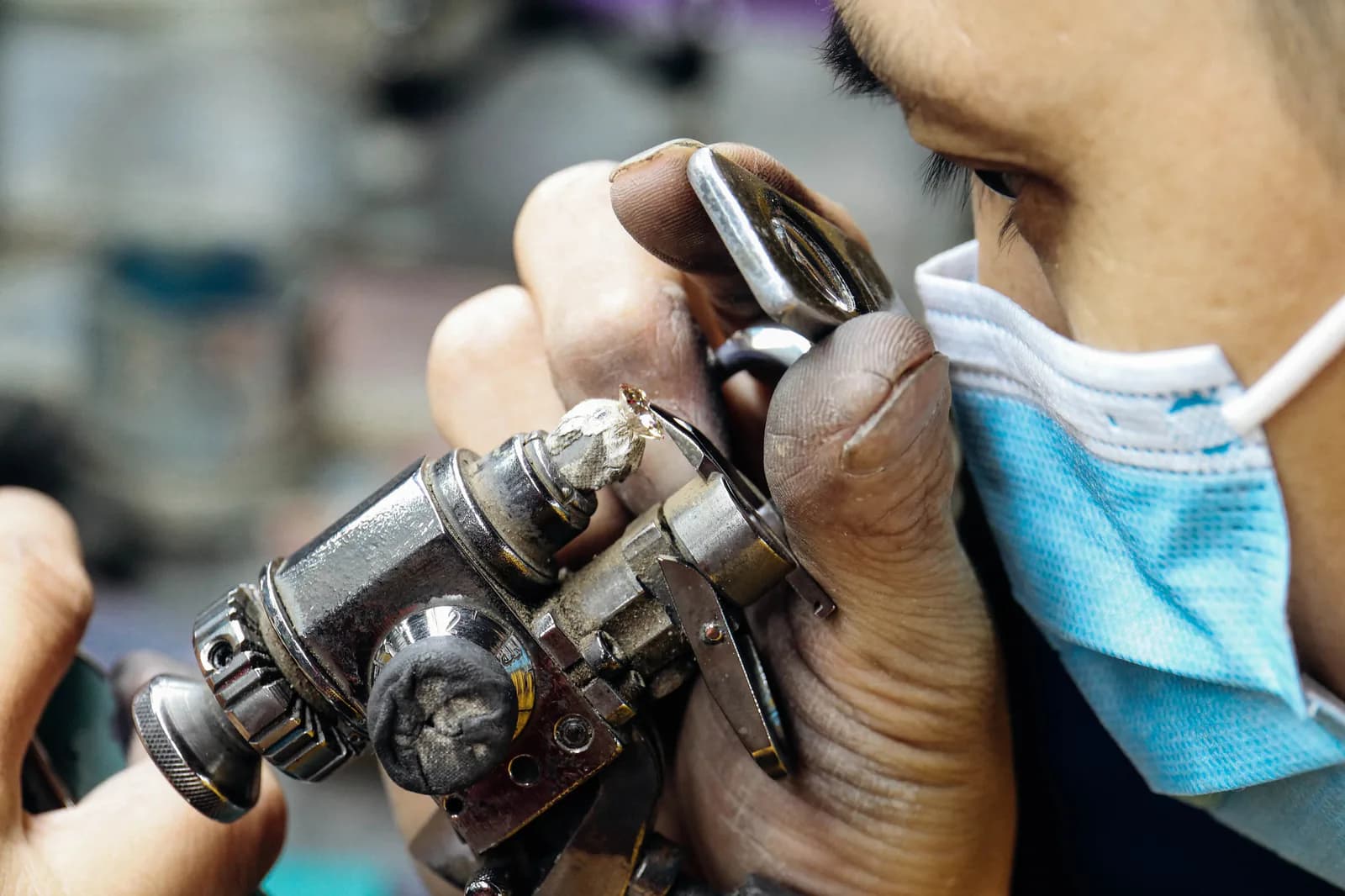
Ask what will be checked against the approved specification before shipment coordination. Depending on the project, review points can include:
- metal and stone confirmation
- setting and finish inspection
- size and dimensional checks
- clasp or component function
- plating and color consistency
- logo and packaging confirmation
- pre-shipment review
These checks should be described as a practical project process. They should not be replaced by vague claims about perfect quality or standards that have not been documented.
Clarify plating and care expectations
Sterling silver jewelry can be developed with different plating colors and surface treatments. Specify the desired appearance and intended market, then discuss the available finish options for the design.
Care instructions should reflect the approved metal, plating, stones, and construction. Requesting product-specific guidance is more reliable than using one generic statement for every piece.
Plan for packaging and repeat orders
Private-label packaging may affect quotation, order planning, artwork confirmation, and minimum requirements. Share packaging references early if they are part of the project.
For repeat orders, retain the approved specifications and sample references. When a design changes, document the new revision rather than assuming the original details still apply.
Compare partners using the same brief
Send the same core information to each potential partner so that differences in quotation and process are easier to understand. Review what is included, what remains unconfirmed, and what requires a sample.
A suitable manufacturing partner should make project boundaries clear, identify missing information, and coordinate the next step without offering unsupported guarantees about quantities, timing, sales, or commercial success.
To discuss a 925 sterling silver project, prepare your references, specifications, target quantity or range, packaging needs, and destination market, then use the Xingyue Jewelry contact page.