Moissanite
How to Develop a Custom Moissanite and 925 Sterling Silver Jewelry Collection
A practical guide for jewelry brands developing custom moissanite and 925 sterling silver jewelry, covering stone selection, CAD, sampling, plating and quality inspection.
Introduction
Developing a custom moissanite and 925 sterling silver jewelry collection requires more than choosing an attractive reference image. A commercially workable product must connect the target customer, stone specifications, silver structure, setting method, surface finish, packaging, and expected order quantity. Decisions made early in the project affect the CAD review, sample quotation, production scope, and the consistency of future orders.
This guide outlines a practical development process for jewelry brands, wholesalers, retailers, and online sellers. It is intended to help buyers prepare a clearer brief, compare proposals on the same basis, and identify which details should be confirmed before sampling or production.
Define the target product and customer
Begin with the commercial purpose of the collection. A delicate everyday line, a bridal-inspired range, and a statement jewelry assortment may all use moissanite and sterling silver, but they require different proportions, stone sizes, settings, and price positions.
Define the intended customer, sales channel, target market, and approximate retail position. Then decide which product types belong in the first release. A focused assortment might include a coordinated ring, pendant, stud earring, and bracelet rather than many unrelated designs.
Reference images are useful, but explain what you want to keep and what may change. Identify the preferred silhouette, stone arrangement, dimensions, wearing comfort, and visual weight. If the reference belongs to another brand, use it to communicate direction rather than asking for a direct copy. Original details can be developed through proportion changes, stone layouts, surface finishes, and branding elements.
Select the moissanite shape, size and grade
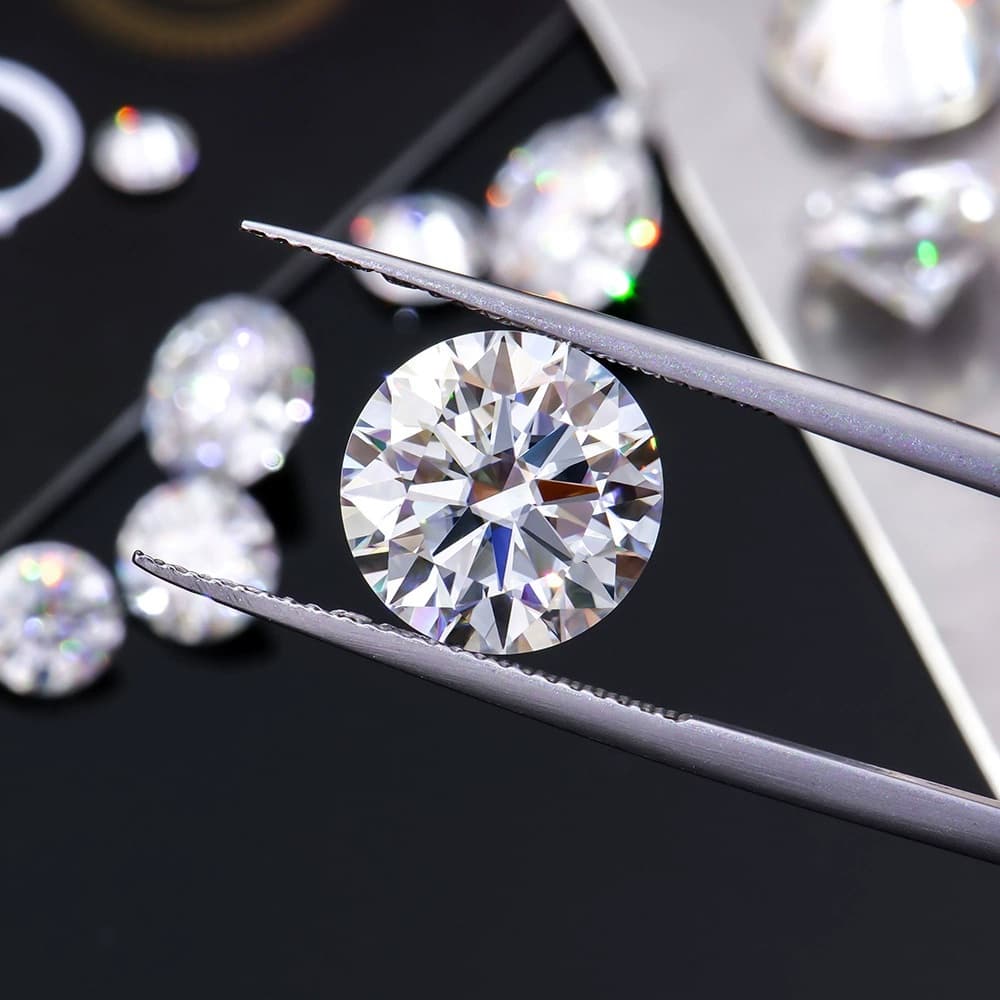
Moissanite selection should be tied to the design and customer position. Confirm the stone shape, dimensions, color preference, clarity expectation, cut style, and quantity required for each piece. Round, oval, pear, emerald, cushion, and radiant shapes create different setting and proportion requirements, even when their approximate carat appearance is similar.
Ask for millimeter measurements instead of relying only on carat-equivalent descriptions. CAD models and settings are developed around physical dimensions, and small measurement differences can affect prong placement, halo spacing, finished height, and total metal weight.
Buyers should also confirm whether the project requires a center stone, calibrated accent stones, or a matched set. For a broader comparison of common alternatives, read Moissanite vs Cubic Zirconia: What Jewelry Buyers Should Know. The appropriate choice depends on the collection position, specifications, and project budget rather than a single universal grade.
Confirm 925 sterling silver structure and weight
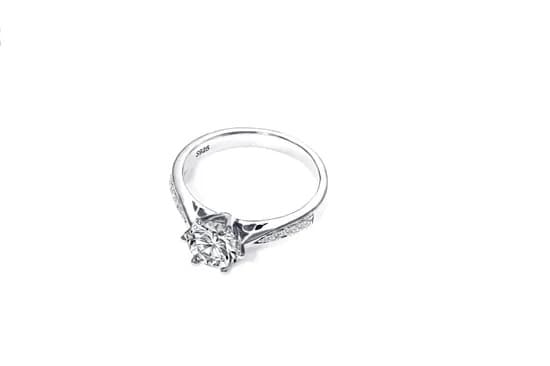
The silver structure must support the stones and the intended wearing conditions. Confirm that the requested metal is 925 sterling silver and discuss the target dimensions, band width, wall thickness, post size, clasp type, chain specification, and setting construction.
Metal weight should not be reduced without considering durability, balance, and setting security. A piece that looks substantial in a rendering may feel too light if the structure is hollowed or narrowed excessively. At the same time, unnecessary weight can raise material cost and make earrings or pendants uncomfortable.
Ask how the finished weight will be estimated during CAD review and how normal production tolerances will be communicated. If you are evaluating a new manufacturing partner, the checklist in How to Choose a 925 Sterling Silver Jewelry Manufacturer can help organize questions about specifications, sampling, plating, inspection, and repeat orders.
Choose plating and surface finishing
Sterling silver jewelry can be developed with white-tone, yellow-gold-tone, or rose-gold-tone finishes, depending on the project. Discuss the plating system, target color, surface preparation, and whether an anti-tarnish treatment is appropriate. Do not assume that a color name will look identical across suppliers or production runs; reference samples or an approved color standard provide a clearer basis for review.
The design may also combine polished, brushed, matte, sandblasted, or textured areas. Mark these areas clearly in the technical brief because finishing can affect how edges, recessed details, logos, and stone settings appear. For repeat orders, retain the approved sample and specification record as the comparison reference.
Review the design through CAD
CAD review turns the design direction into a manufacturable specification. The model should be checked for overall dimensions, stone seats, prong thickness, setting height, chain or clasp connections, logo placement, comfort, and areas that may be difficult to polish or plate.
Review the CAD from several angles rather than approving only a front view. Ask for the measurements that matter to the wearer and to production. If a requested detail is too thin, too sharp, or unsuitable for the selected stone size, discuss an adjustment before the sample is made.
CAD approval confirms the design direction, but it does not replace a physical sample. Color, weight, articulation, surface reflection, stone appearance, and wearing comfort still need to be evaluated on the finished piece.
Produce and inspect the sample
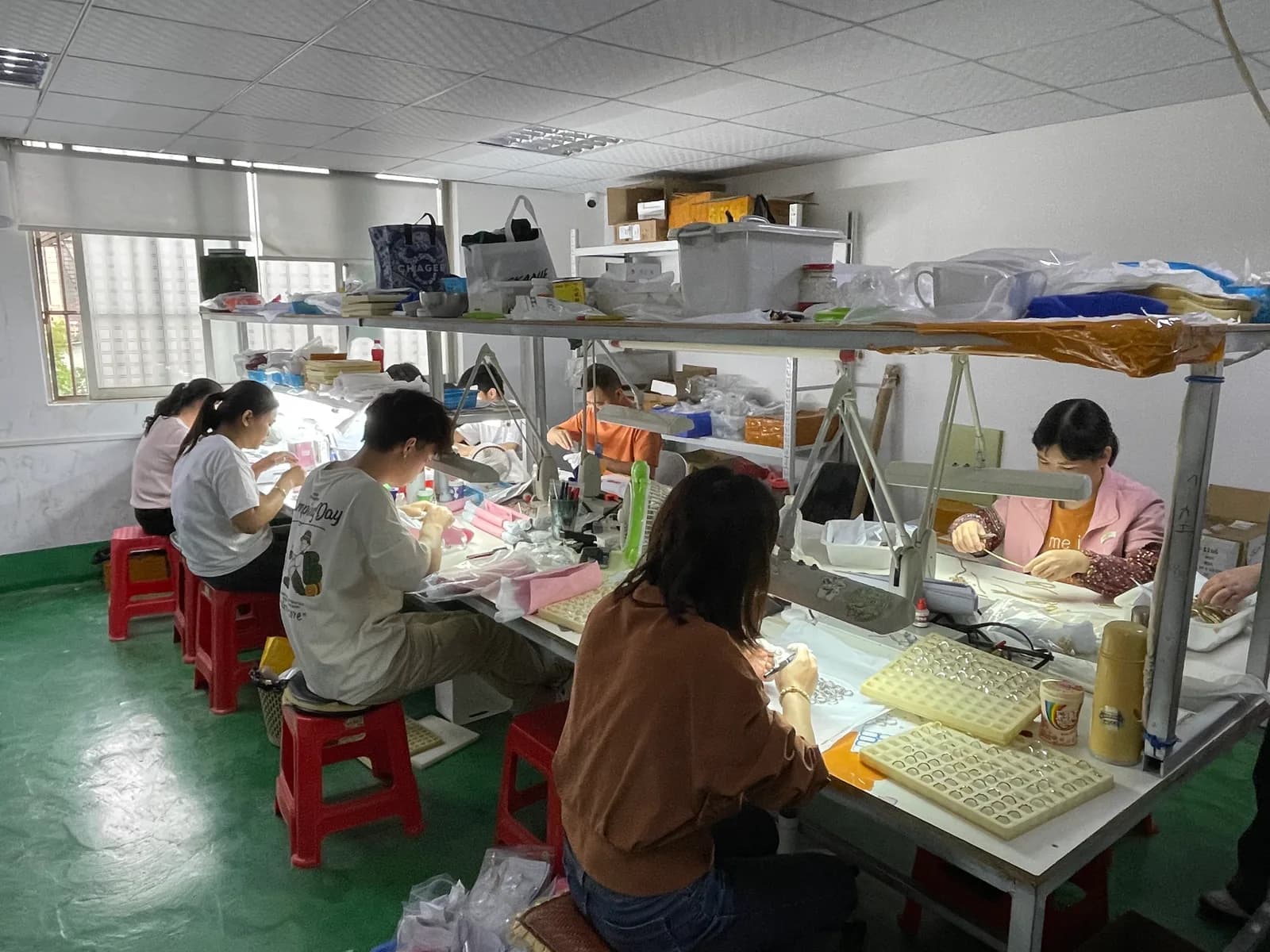
The sample stage connects the approved CAD with the physical product. Before sampling, confirm what is included in the quotation, which materials and stones will be used, how revisions are handled, and what expected timing applies to the specific project. Sample pricing and timing should be reviewed case by case.
When the sample arrives, inspect the design against the approved specification. Check dimensions, weight, stone shape and size, setting alignment, prong finish, solder or connection points, clasp operation, post straightness, surface polish, plating color, logo placement, and general wearing comfort.
Record feedback with labeled photographs and measurements. Separate required corrections from optional preferences so the next review is clear. Production scope should be confirmed only after the sample and relevant specifications are approved.
Confirm branding and packaging
Private-label requirements should be discussed before production. Confirm the logo artwork, marking method, placement, minimum readable size, and any legal or market-specific metal marks the buyer needs to review.
Packaging may include pouches, boxes, cards, labels, care information, barcodes, or outer cartons. Provide dimensions and artwork files where possible. The packaging should protect the product, fit the selected jewelry size, and match the intended retail channel. Avoid leaving packaging until the final stage, because inserts, chain placement, earring holes, and labeling can affect preparation work.
Prepare for small-batch or bulk production
After sample approval, confirm the project-specific order quantity, product mix, material and stone requirements, packaging scope, quality checkpoints, shipping destination, and expected timing. Feasibility for a small-batch trial or a larger production run depends on the product, stones, process, packaging, and supplier coordination; it should not be assumed for every design.
Create a final specification record for each SKU. It can include the CAD version, dimensions, target weight, stone list, plating and finish, logo details, packaging, and approved sample photographs. This record helps reduce ambiguity when the collection contains multiple variants or when a repeat order is discussed later.
For production review, agree on practical checkpoints such as material and stone confirmation, setting and finish inspection, size checks, packaging confirmation, and pre-shipment review. Inspection criteria should be connected to the approved sample and written specification rather than broad quality claims.
Information buyers should provide when requesting a quote
A useful initial inquiry should include:
- business type and target market
- product types and reference images
- original design files or requested modifications
- moissanite shape, size, color, and other known specifications
- 925 sterling silver requirement
- preferred plating color and surface finish
- target quantity or quantity range by design
- logo and private-label requirements
- packaging requirements
- destination country
- expected timing
- any required sample or launch priorities
If some details are not yet decided, mark them as open questions. A clear brief does not need to contain every final answer, but it should show which decisions require guidance and which requirements are fixed.
Conclusion and inquiry CTA
A custom moissanite and 925 sterling silver jewelry collection is easier to evaluate when product direction, stone specifications, metal structure, CAD, sampling, finishing, packaging, and production planning are treated as one connected process. Clear records and sample approval give both buyer and supplier a practical basis for quotation and follow-through.
To discuss a project, send Xingyue Jewelry your reference images and requirements, including the preferred material, moissanite specifications, target quantity or range, packaging needs, destination country, and expected timing. The project scope, sample route, order quantity, and production plan can then be reviewed against the specific designs.