Buyer Guides
Your First Wholesale Sterling Silver Jewellery Order: A Checklist
Plan your first wholesale sterling silver jewellery order: compare existing designs, confirm materials and variants, and prepare a clear catalogue or quote request.
Quick answer
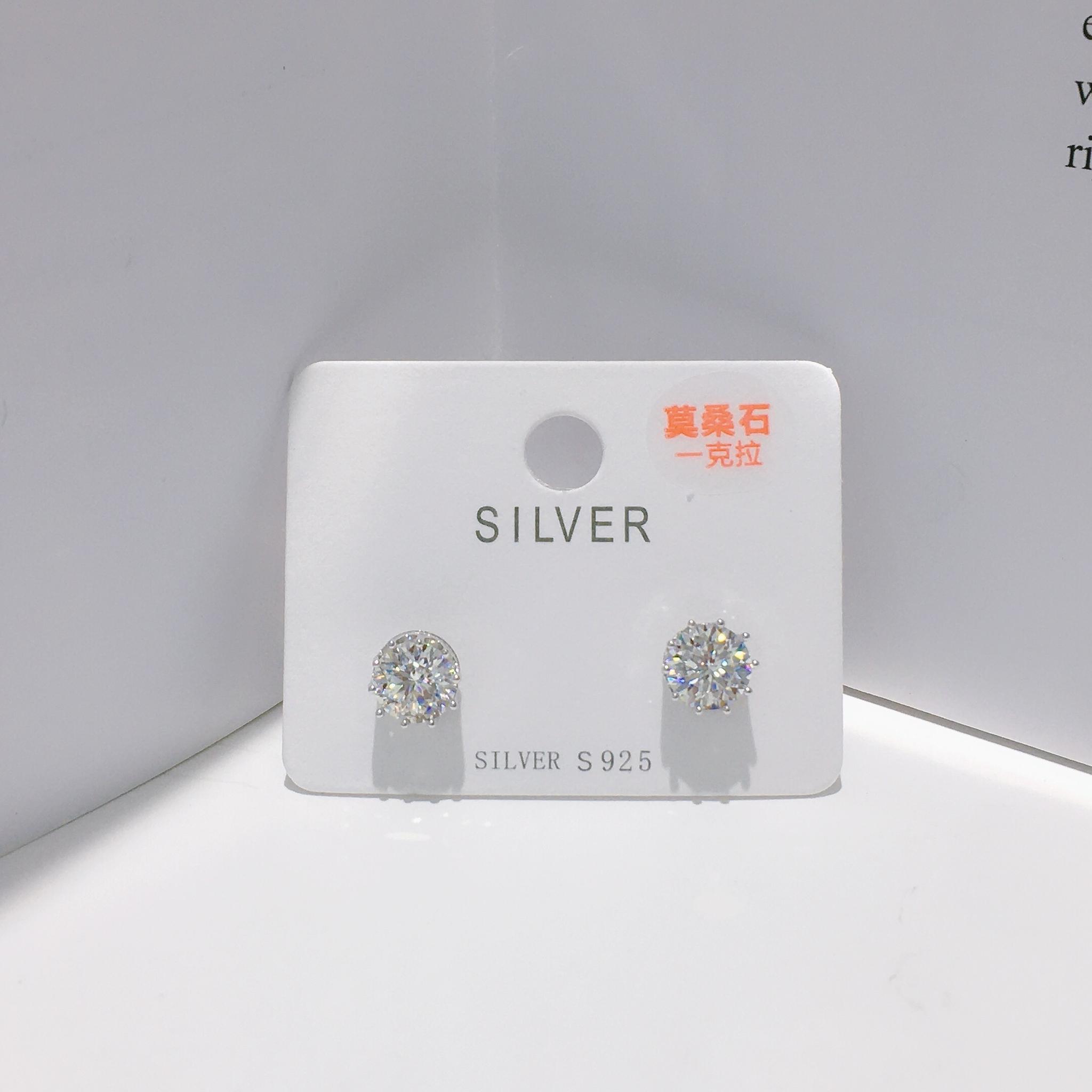
Start with a focused group of existing designs that suit your customers. Confirm the product codes, gemstone materials, sizes, finishes and pricing units, then allocate quantities to each variant. Include the destination country and packaging requirements when requesting a quote so that you can compare offers on the same basis.
Here, choosing from existing designs means selecting the finished-jewellery specifications you need from an established design range. It does not mean every design is in stock or every size and colour is ready to dispatch. Availability must be confirmed for the items you select.
Step 1: Decide who the first order is for
Your first order does not need to cover every style in a supplier's catalogue. A more useful starting point is to identify the customers and collection the products will serve.
Before shortlisting designs, write down:
- Your sales channel: a physical shop, your own website or another online channel.
- The intended occasion or style: everyday wear, gifting, weddings or a particular collection theme.
- What you already know: the categories, colours, sizes and price range your customers tend to buy.
An established retailer can build on categories that already sell well. If you are launching a new shop without sales data, begin with a coherent shortlist, assess the products in person and use subsequent sales feedback to guide expansion.
You can browse the jewellery product range to explore product directions. The website display should not be treated as a complete catalogue of currently available stock.
Step 2: Count the variants as well as the designs
Two shortlists with the same number of designs can create very different purchasing and stock-management workloads.
For example, two ring designs offered in two finishes and three ring sizes would create 12 variants. This is a calculation example, not a statement that a particular design is available in all those options.
Rings: specify the size system before allocating quantities
Record the ring-size system and the quantity required in each size. Avoid using only small, medium and large, or a size number without its sizing system.
If you do not yet know your customers' size distribution, narrow the shortlist, check the product and size information, and then decide the allocation. An equal quantity in every size is not a universal rule for every shop.
Earrings: confirm whether the unit is one earring or one pair
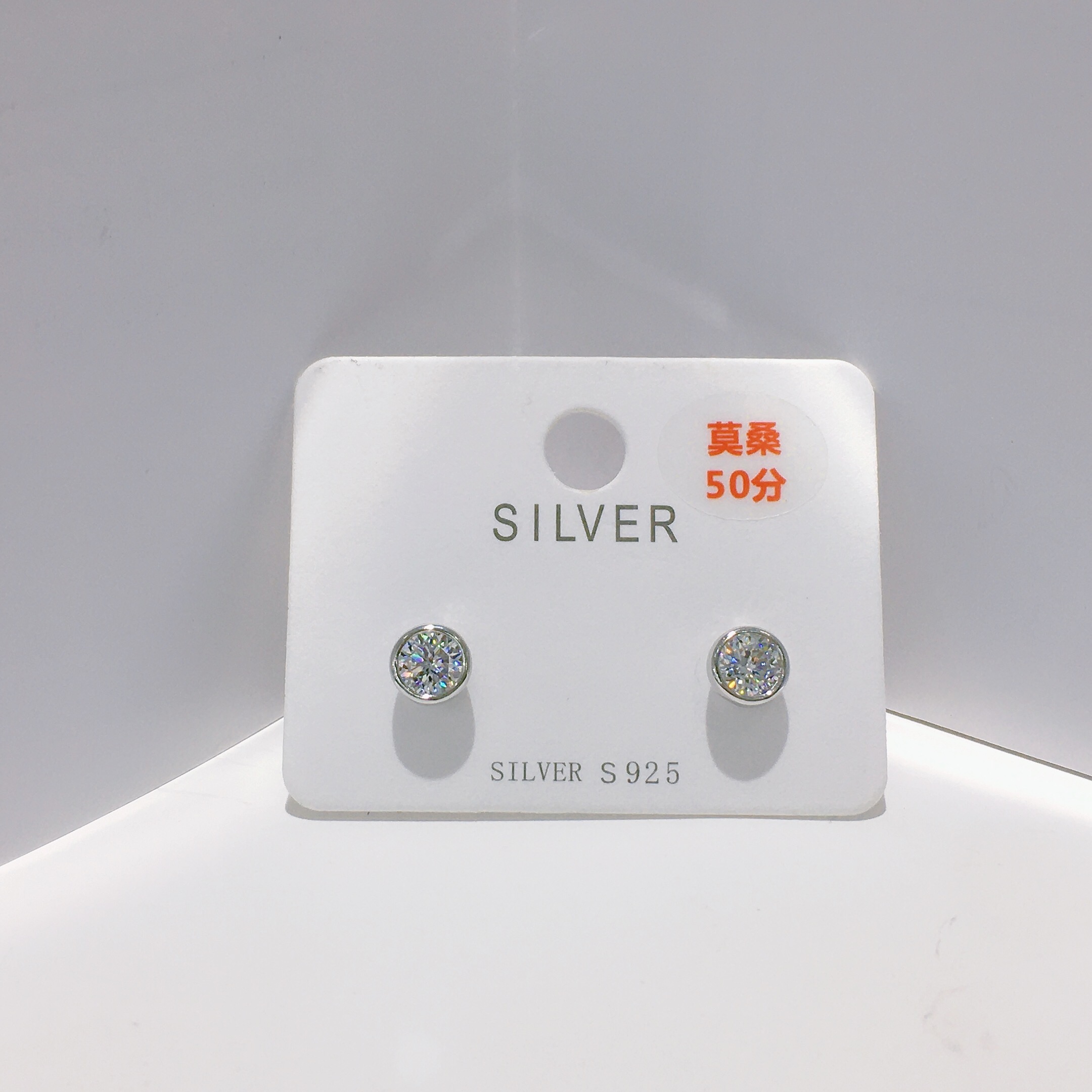
For earrings, confirm whether they are sold individually or as a pair, the post or hook construction, the backs supplied and whether the design is mirrored for left and right ears.
If a quote uses a different unit from the pair you plan to list in your shop, the prices are not directly comparable.
Necklaces and bracelets: length is part of the specification
For necklaces, record the chain length, any extension chain, the pendant dimensions and whether the chain is included in the quoted price.
For bracelets, record the wearable length, adjustment method, clasp type and stone size or arrangement. A front-view photograph alone may not establish these details.
The aim is for every quantity on the shortlist to refer to a clearly identified product version.
Step 3: Record the metal, gemstones and finish separately
Sterling silver, moissanite and gold colour describe different aspects of a piece. One does not establish the others.
Sterling silver generally means an alloy containing 92.5% silver. The name alone does not identify the gemstone or surface plating. See the US Geological Survey's explanation of sterling silver.
Record the actual gemstone material as well:
- Moissanite is not a laboratory-grown diamond. Similar appearance does not make the materials interchangeable in a product description.
- A laboratory-grown diamond is a diamond grown in a laboratory.
- Laboratory-grown coloured gemstones need a specific material name, such as laboratory-grown ruby or laboratory-grown sapphire. Another material with a similar colour should not simply be given the same gemstone name.
For the distinction, see GIA's introductions to synthetic gem materials and simulants or imitation gem materials.
For plated designs, separately confirm the plating material, colour and any other agreed finish specifications. Gold colour describes appearance; it does not establish the metal composition or plating thickness.
If your selection depends on choosing between moissanite and cubic zirconia, read the buyer comparison of the two materials, then confirm the material used in the specific design.
Step 4: Confirm the available versions and ordering terms
Xingyue Jewelry's mixed-design ordering terms
Existing designs can be combined in a mixed-design order. The minimum merchandise order value is US$800, excluding shipping and taxes. Normally, the minimum is three pieces per design. Products are supplied in simple packaging.
Prepare the product codes, specifications and quantity per design, then confirm availability and the final quote. Check whether different colours or sizes can be combined towards a design's minimum quantity. For earrings, also confirm whether the quoted unit is an individual earring or a pair.
An existing design is not necessarily in stock. Supply arrangements must be confirmed for the order you select.
Once you have shortlisted designs, ask:
- Is the product code still available?
- Are the selected gemstone, size and finish available versions?
- Are finished pieces in stock, or would they be made after the order is confirmed?
- Are any quantity conditions applied per design, colour or size?
- How are samples, packaging and the expected dispatch arrangements confirmed?
The ability to mix designs does not establish that every colour or size has no minimum quantity. Clarifying these separately helps avoid misunderstandings after an order is placed.
There is no single ideal number of designs for every first order. Base the shortlist on your budget, the number of variants and the confirmed ordering conditions, rather than adding designs simply to increase the count.
Step 5: Use one specification list to request comparable quotes
For each shortlisted item, record at least:
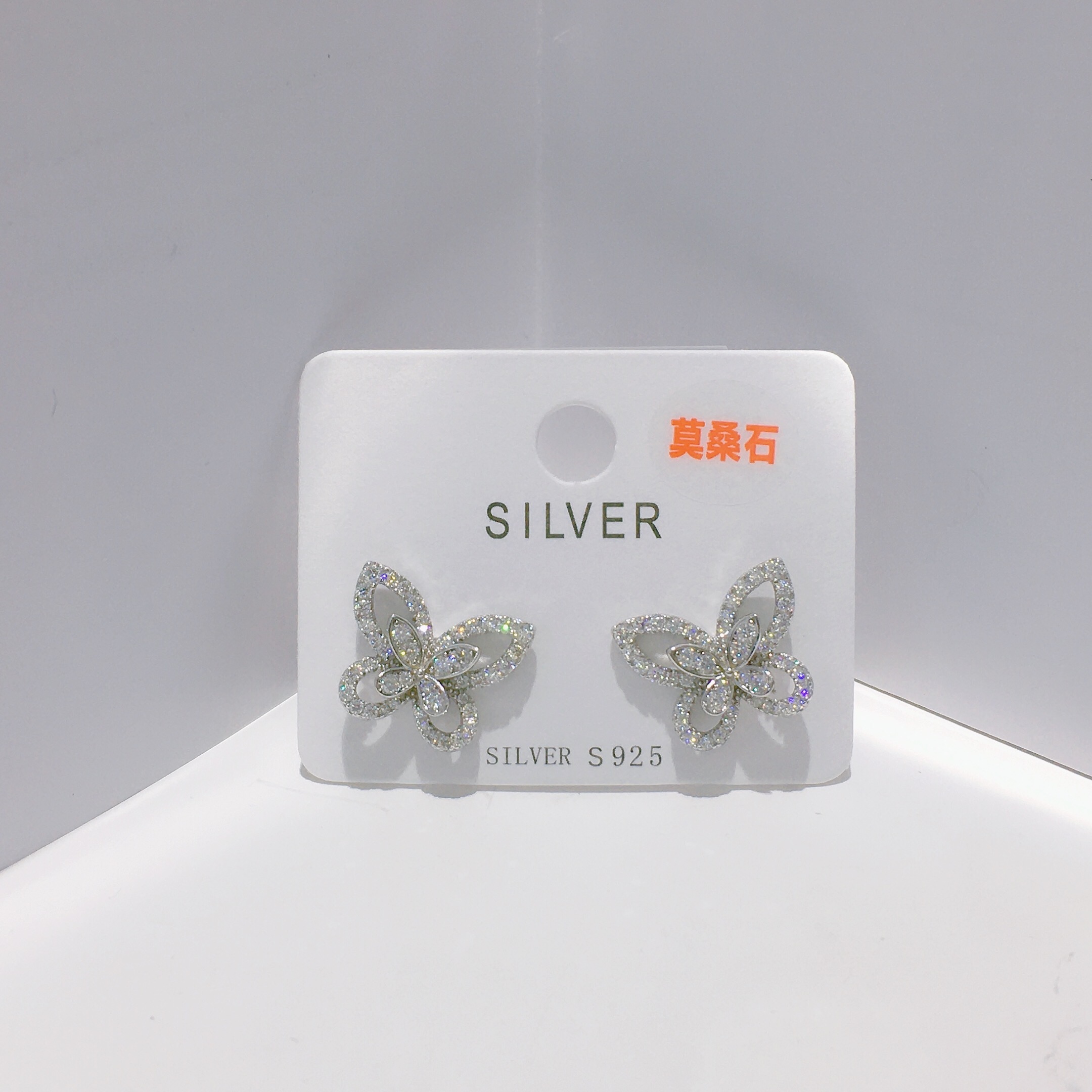
- The product code. If you do not have one, include a clear photograph or product-page link.
- The metal material.
- The actual materials, shapes and dimensions of the main and accent stones.
- The ring size, chain length or other finished dimensions.
- The finish colour and any confirmed surface-treatment requirements.
- The quantity and pricing unit for each variant.
- The packaging requirements.
- The destination country and, where needed, postcode.
- The desired arrival date, so that feasibility can be assessed.
When comparing quotes, check which packaging, transport and other charges are included, as well as the currency and quote-validity period. Do not directly compare prices based on different gemstones, dimensions or pricing units.
State the units used for gemstone measurements. Carats measure weight and millimetres describe dimensions; they are different fields. The FTC's gemstone buying guide explains the distinction.
Step 6: Confirm the product before locking in the order
If dimensions, colour or construction remain unclear, ask whether an appropriate sample is available and confirm the sample cost and arrangements.
When assessing the product, compare it with the order specification:
- Does it match the chosen product code and version?
- Are the dimensions, proportions and finish colour as expected?
- Are the earring backs, clasps and other fittings correct and working smoothly?
- Do the selected pieces look coherent as a group?
- Do the packaging and markings match what was agreed?
Visual and functional checks do not replace material identification. If testing or a report is required, agree the questions to be checked, the scope of the documentation and the cost beforehand. A photograph or a stamped mark should not be treated as proof of every material property.
Keep the confirmed specifications, photographs, packaging requirements and order records for future discussions about reordering the same designs.
Frequently asked questions
How many designs should I choose for my first order?
There is no universal number. Set your budget and sales direction, then consider how many sizes, finishes and gemstone versions each design introduces. Each variant should have a clear reason to be included.
Are existing designs always in stock?
No. An existing design may need to be made to the specifications confirmed for the order. Check the available versions, stock position and expected dispatch arrangements separately.
Can I combine designs, colours and sizes?
Mixed-design orders are supported. Colours and sizes should be listed separately so that the applicable quantity conditions can be confirmed. Do not assume that mixing designs also removes all requirements for individual variants.
Can I request a quote using a photograph without a product code?
Yes. Provide the photograph along with the required material, quantity and destination country. Then confirm the supplier's matching product code and specification, rather than assuming similar-looking pieces are the same item.
Can I add branding or different packaging to an existing design?
You can submit the request so that suitability, minimum quantities, costs and timing can be checked. Branding, special packaging and changes to construction are not automatically included in a finished-jewellery quote.
If the request involves a new structure or design development, refer to the separate custom sterling silver jewellery sourcing guide.
What information is most useful in the first enquiry?
Start with product codes or photographs, the required variants, quantities and destination country. Include packaging requirements and a target date where available. Mark an undecided field as to be confirmed rather than leaving the question unclear.
Request the relevant catalogue and prepare your shortlist
If you run a jewellery shop, online store or independent brand in Australia or the UK, contact Xingyue Jewelry to request the relevant design catalogue.
If you have already selected products, send the catalogue selection references, product codes, quantity per design, required specifications, and destination country and postcode. These details help establish availability, the merchandise quote and transport charges. You can also share a target arrival date for the arrangements to be assessed.
Use this enquiry checklist:
Shop or brand: [add details]
Catalogue selection reference / product code: [add details]
Gemstone material and dimensions: [add details / to be confirmed]
Finish, ring size or length: [add details / to be confirmed]
Quantity and pricing unit for each variant: [add details]
Packaging requirements: [add details / to be confirmed]
Destination country and postcode: [add details]
Desired arrival date: [add date, subject to feasibility review]
Please confirm the available specifications, ordering conditions and quote.