Moissanite
Moissanite vs Cubic Zirconia: What Jewelry Buyers Should Know
Compare moissanite and cubic zirconia from a B2B jewelry buyer's perspective, including appearance, durability, specifications, sampling, and sourcing questions.
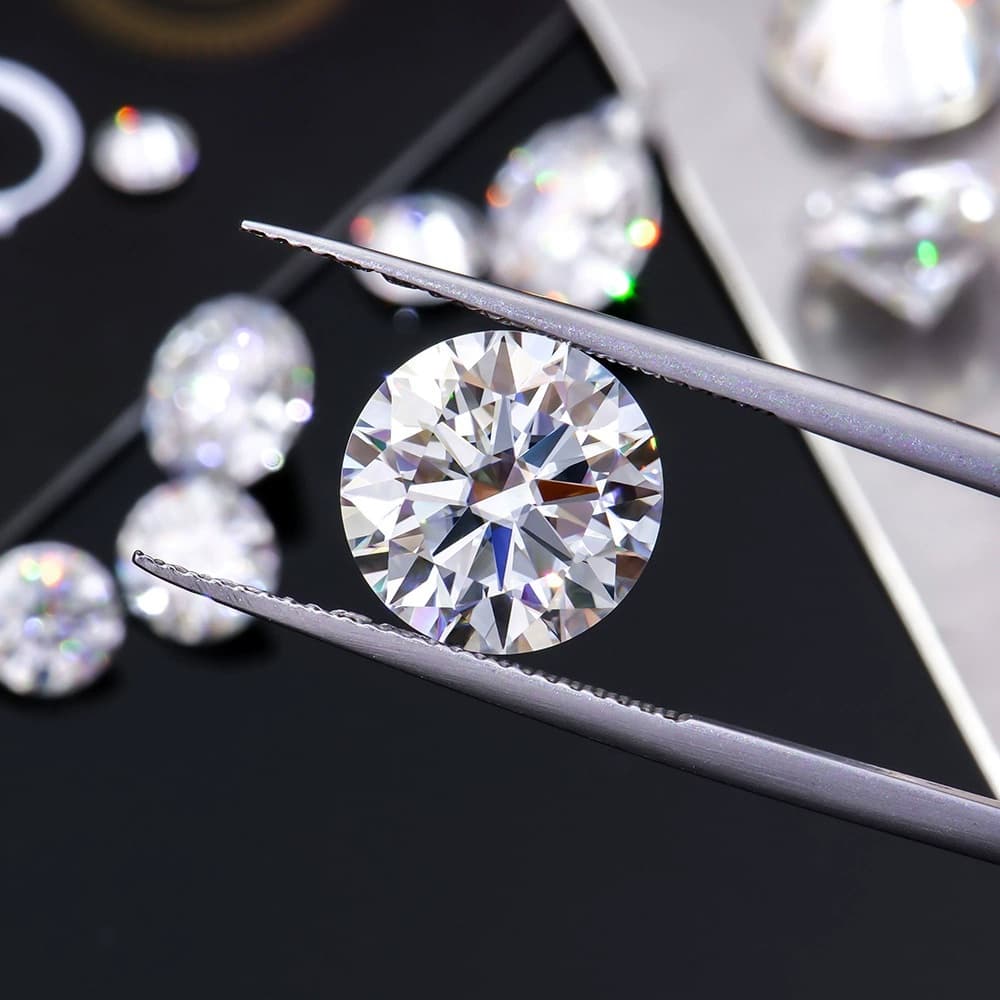
Moissanite and cubic zirconia can both support bright, accessible jewelry collections, but they are not interchangeable. A buyer choosing between them should look beyond a single product photograph and consider the intended retail position, stone specifications, setting design, care expectations, and project budget.
This guide outlines practical questions to discuss before requesting samples or production pricing.
Start with the collection position
The right stone depends on what the finished collection needs to communicate.
Moissanite is commonly selected when a brand wants a durable center stone with strong brilliance and a clear product story. Cubic zirconia is often considered when the project prioritizes a broad range of colors, shapes, or price points.
Neither description replaces a project review. Stone size, cut, setting style, metal choice, plating, and intended market all affect the finished result.
Compare appearance with physical samples
Photography can make different stones look more similar than they appear in person. Lighting, camera exposure, image compression, and retouching may change perceived color and sparkle.
When comparing samples, review:
- brilliance under daylight and indoor lighting
- color and transparency
- consistency between stones in the same design
- how the stone looks beside the selected metal and plating color
- whether the cut and proportions suit the setting
For a collection using repeated stone sizes, consistency across the approved specification matters as much as the appearance of one sample.
Discuss durability in the context of the design
Stone durability is only one part of product performance. Prong thickness, setting depth, exposed edges, metal structure, and intended wear all influence the final piece.
Ask the manufacturing partner to review the complete design rather than treating the stone as an isolated choice. A ring intended for frequent wear may need a different setting approach from an occasion pendant or earring.
Product care guidance should also match the final material and finish. Avoid relying on broad claims that one stone or one construction is suitable for every use.
Confirm the specification before pricing
A useful sourcing request identifies more than the stone name. Provide or confirm:
- stone type
- shape and cutting style
- dimensions or calibrated size
- color preference
- quantity per piece
- metal and plating
- setting method
- target quantity or range
- packaging requirements
- destination market
If the design uses a mix of center and accent stones, list both. This helps the supplier review availability, sample scope, and project-specific minimum order requirements.
Use samples to approve the complete product
A loose-stone comparison is helpful, but the finished sample provides more information. It allows the buyer to evaluate proportions, setting security, surface finish, comfort, overall weight, and packaging presentation together.
Sample scope, sample pricing, and expected timing should be confirmed for the individual project. Approval should record the specifications that will guide the next production discussion.
Questions to send with your first inquiry
Before requesting a quotation, prepare:
- a reference image, sketch, or CAD file
- the product type and intended retail position
- preferred stone type, shape, color, and size
- preferred metal and plating
- target quantity or range
- packaging requirements
- destination country
- expected project timing
Clear inputs make it easier to compare options without assuming a fixed minimum order quantity, sample fee, or production schedule.
Buyer takeaway
Moissanite may suit collections that emphasize brilliance, durability, and a distinct stone story. Cubic zirconia may suit projects that prioritize flexible styling and a different target price position. The final decision should be based on approved specifications and physical samples rather than a generic material comparison.
To discuss a design, share the product direction, material preferences, target quantity or range, and market requirements through the Xingyue Jewelry contact page.